

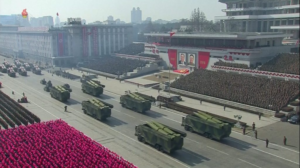
This study focuses on the new systems introduced, and assesses their potential impact as conventional weapons and as non-conventional weapons. Through an analysis of the possible capacities of these systems, this study examines their consequences on North Korean strategy. It concludes by exploring what this change of strategy may lead to, in military terms, and in political terms, on the Korean peninsula.

This paper recalls the state of ballistic missile proliferation at the time of the adoption of the Code, before delving into the genesis of the Code and especially the various reports and meetings that promoted the adoption of a supply-side multilateral instrument. It describes the conferences and diplomatic efforts that led to the Code in 2002. It also explains why the Code ended up the way it is today with modest ambitions but concrete outcomes.
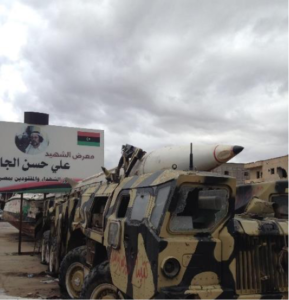
Regardless of the risks associated with proliferating states, however, the pronounced diffusion of deep strike capabilities linked to rockets and SRBMs poses a fundamental problem, creating vulnerabilities in the face of Western forces which have less and less infrastructure. and whose forces are articulated around now limited volumes.